Yes, they are healthy! Contrary to rumor, frozen fruits are just as nutritious as fresh. “Frozen fruits are harvested at their peak of freshness and flash frozen to capture the highest-quality nutrition. “Frozen fruits have the same—and sometimes even higher—nutrition composition than the fresh fruit.
Frozen fruits pack dietary fiber, an important nutrient that helps keep you fuller for longer and aids weight loss. Increasing intake of fruits and veggies has been found to support weight loss in women, especially if you also opt to cut back on high-fat foods, according to a review in Nutrients in 2020.
Fruits can help slow down your eating speed, are generally lower in calories and provide fiber, all of which sets the stage for weight loss. In fact, the research concluded that total fruit intake had a stronger association with long-term weight management compared to veggies.
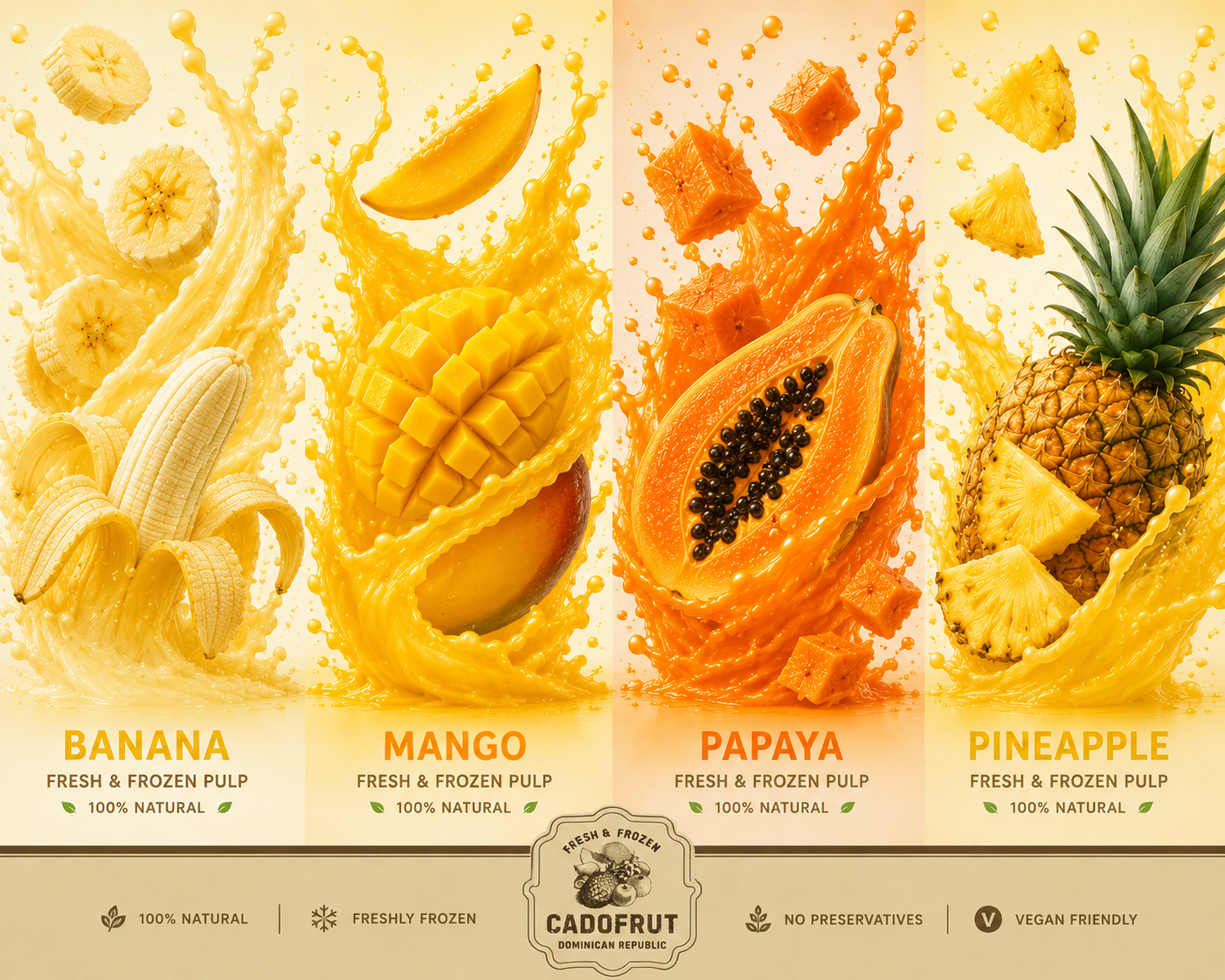
Banana: One of the best staples to have on hand in your freezer fruit stash is frozen bananas, according to culinary nutrition expert and cookbook author Wendy Jo Peterson, M.S., RDN. “Frozen bananas are the perfect addition to smoothies to create the ultimate creamy, sweet consistency while adding a boost of nutrition,” she says. A small banana provides 3 grams of filling fiber, according to the USDA, plus gut-friendly prebiotics and blood pressure-friendly potassium.
Wild Blueberries: Blueberries in all forms are a wonderful addition to your kitchen, but wild blueberries—those tiny little gems found in the freezer section—are a nutritional treasure trove. “Wild blueberries are smaller in size than traditional fresh blueberries but are also sweeter with less sugar,” says Amidor. For reference, a 1-cup serving of wild blueberries provides 10 grams of natural sugar and 6 grams of dietary fiber, says the USDA.
The fresh cherries at your local grocer are likely the sweet variety. But tart cherries are another seasonal gem you can find year-round in the freezer section of your market.
Mangoes: Enjoying mangoes may be a sign of a healthier diet. A 2022 study published in Nutrients found that both children and adults who consumed mango had better-quality diets compared to those who didn’t delight in the fruit. Males, in particular, who eat mango are more likely to have lower BMI, waist circumference and body weight versus mango avoiders. Overall, though, having mango in your diet increases the chances that you’ll get more fiber, magnesium, potassium and vitamins A, C and E, as well as less added sugar, the research found. Perhaps there’s something to the natural sweetness of mango that satisfies your taste buds. Think of mango as nature’s candy.
Pomegranate: If you don’t like fighting with an entire fresh pomegranate for the juicy arils inside, you’re in luck: pomegranate arils can be found in your freezer section. “They can be used in any recipe calling for fresh pomegranate,” Peterson says.
These ruby red gems provide an excellent source of fiber, packing 6 grams per ¾-cup serving, according to the USDA. Plus, pomegranate arils also supply polyphenols, important antioxidants that help quash free radicals that create cellular damage over time.
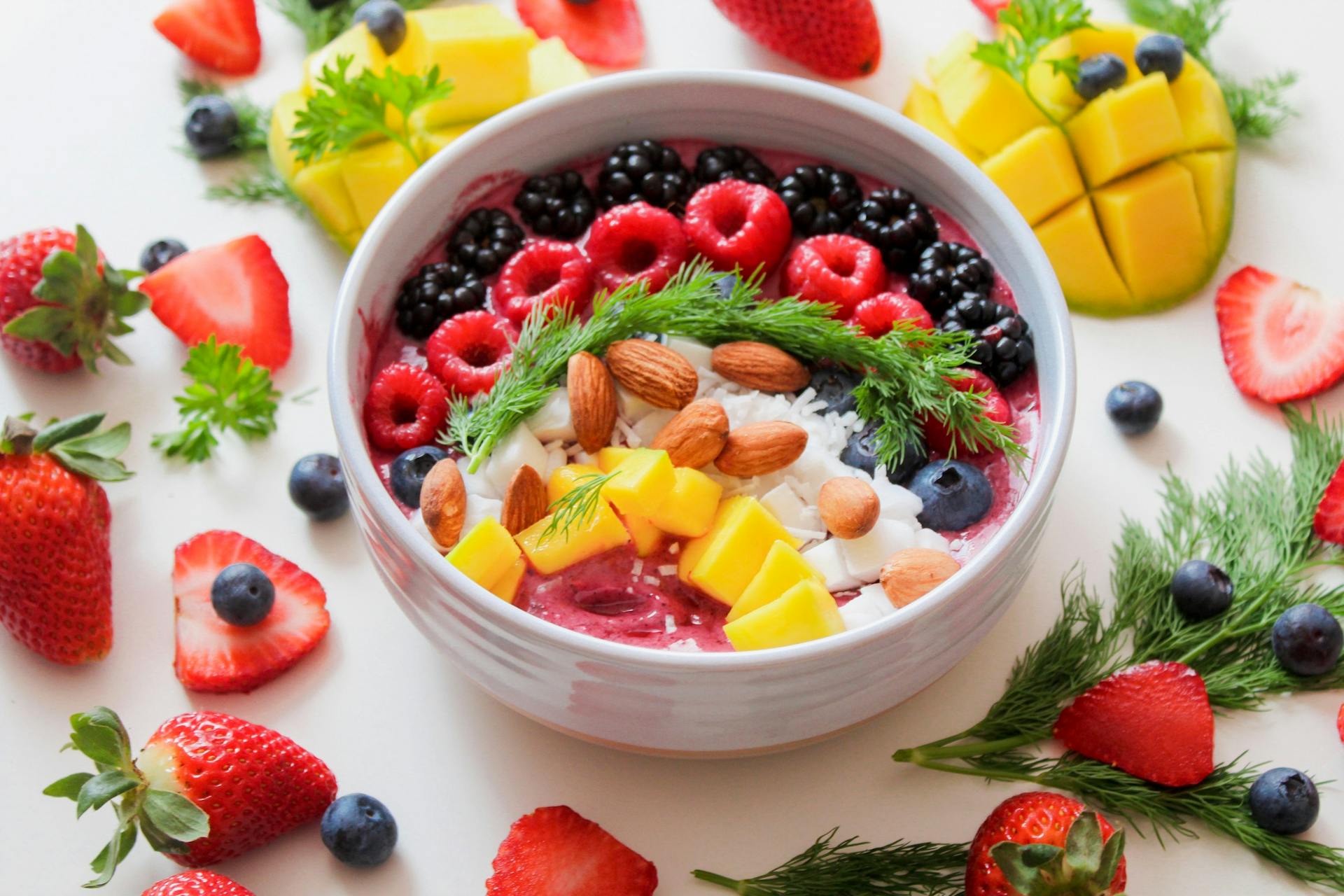
Strawberries: Strawberries are a mainstay in dietitians’ freezers. “My three kids were always begging for frozen berries in their smoothies so it has become a household staple, which I stock up on whenever they come home from college,” In addition, strawberries also supply ellagic acid and flavonoids. “Ellagic acid has been shown to act as an antioxidant to help protect cells from free radical damage, while flavonoids have been shown to help reduce the risk of cancer, heart disease and cognitive decline,”
Leave a Reply